


How to Get Braces Covered by Medical Insurance
Posted on April 22, 2026
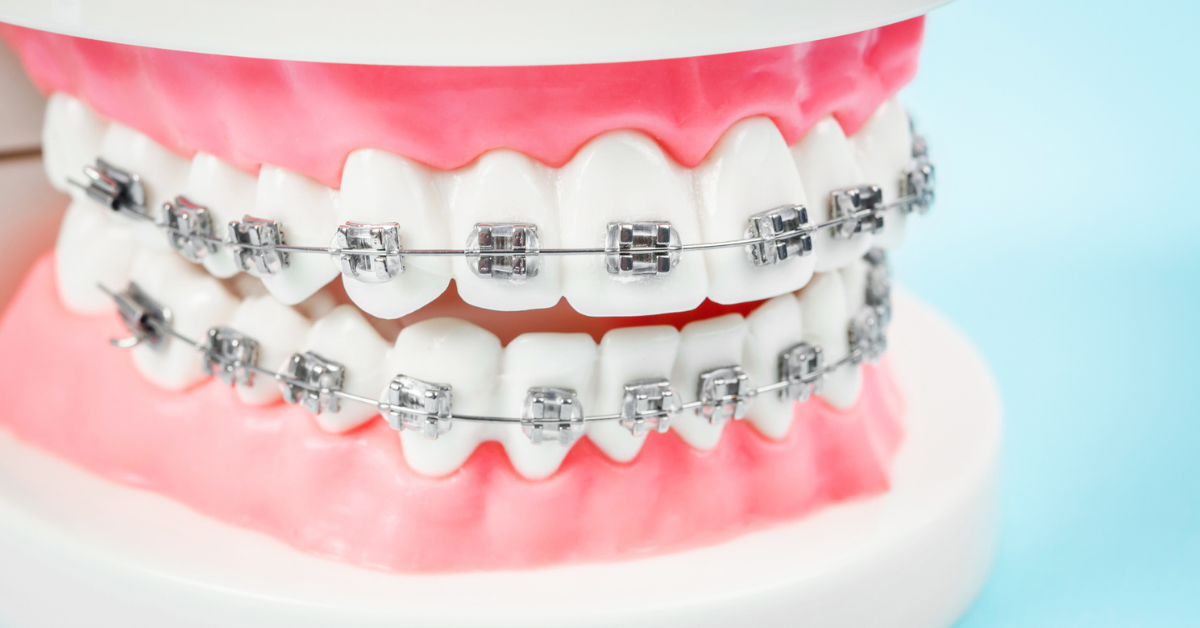
For many patients and parents, one of the first questions about orthodontic care is cost, and more specifically, whether medical insurance can help pay for braces. While braces are often associated with dental insurance, there are situations where medical insurance may cover part or even most of the treatment.
At TruSmile Orthodontics with Dr. Zamani, DDS, MDS, patients in Culver City and Long Beach receive guidance not only on treatment options, but also on navigating insurance and financing. Understanding how medical coverage works can make orthodontic care more accessible and less stressful.
This guide explains when braces may qualify for medical insurance, how to improve your chances of approval, and what steps to take before starting treatment.
When Medical Insurance May Cover Braces
Medical insurance does not typically cover braces for cosmetic reasons. However, if an orthodontic issue affects overall health, function, or quality of life, coverage may be possible.
Insurance providers look for clear proof that treatment is medically necessary. Some of the most common qualifying conditions include:
Severe Bite Problems
Conditions such as underbites, overbites, crossbites, and open bites can go beyond appearance. In more serious cases, they may cause:
- Difficulty chewing food properly
- Jaw strain or discomfort
- Uneven tooth wear
- Chronic headaches
If these issues interfere with daily function, braces may be considered medically necessary.
Jaw Growth or Structural Issues
Irregular jaw development or misalignment can impact breathing, speech, and overall oral function. In these cases, orthodontic treatment may be part of a larger medical plan to restore proper alignment.
Impacted Teeth
When a tooth is unable to erupt normally, it can lead to pain, infection, or damage to surrounding teeth. Braces are often needed to guide the tooth into position safely.
Injury or Trauma
Accidents that affect the teeth or jaw may require orthodontic care as part of recovery. Medical insurance is more likely to provide coverage when braces are used to restore normal function after an injury.
Difficulty Eating or Speaking
If misalignment affects speech development or makes chewing difficult, insurance providers may view orthodontic care as a functional necessity rather than a cosmetic treatment.
Each insurance plan is different, but these situations are among the most likely to qualify.
Medical Insurance vs Dental Insurance
Understanding the difference between medical and dental coverage is an important first step.
Dental insurance
- Covers routine orthodontic care
- Often includes a lifetime orthodontic benefit
- Typically focused on alignment and appearance
- May have age limits or restrictions
Medical insurance
- Covers treatment tied to health or functional issues
- Requires detailed documentation
- Has stricter approval requirements
- May cover a percentage of treatment if approved
In some cases, patients can use both types of insurance together to reduce out-of-pocket costs.
What Insurance Companies Require
To approve braces under medical insurance, providers require strong evidence. The more complete and organized your documentation is, the better your chances.
1. Proof of Medical Necessity
This is the foundation of any claim. Your orthodontist must clearly explain why braces are required to correct a health-related issue, not just improve appearance.
2. Diagnostic Records
Insurance companies usually request:
- Digital X-rays
- Clinical photographs
- Oral exam findings
- Digital scans or impressions
- A detailed treatment plan
These records help demonstrate the severity of the condition.
3. Evidence of Functional Impact
Insurers want to understand how the issue affects daily life. This may include:
- Difficulty chewing or swallowing
- Jaw pain or discomfort
- Speech challenges
- Tooth damage caused by misalignment
- Breathing concerns linked to jaw position
The clearer the connection between the condition and its impact, the stronger the case.
4. Insurance Review Process
After submission, the insurance company reviews the case. They may:
- Request additional documentation
- Consult a specialist reviewer
- Approve, partially approve, or deny the claim
This process can take several weeks, so starting early is helpful.
The Pre-Authorization Process
Most medical insurance plans require pre-authorization before treatment begins. This allows you to understand your coverage before committing financially.
Here is how the process typically works:
- Step 1: Schedule an orthodontic consultation – At TruSmile Orthodontics, Dr. Zamani performs a thorough evaluation and identifies any conditions that may qualify for medical coverage.
- Step 2: Gather diagnostic records – The office collects X-rays, photos, and scans needed for submission.
- Step 3: Prepare a letter of medical necessity – This document explains the diagnosis, outlines the functional issues, and describes why braces are required.
- Step 4: Submit to insurance – The orthodontic team sends all documentation to your insurance provider.
- Step 5: Wait for determination – The insurer reviews the case and provides a decision. If approved, coverage details will be outlined.
- Step 6: Begin treatment – Once approved, you can move forward with confidence, knowing your benefits will be applied.
Questions to Ask Your Insurance Provider
Before starting treatment, it is helpful to contact your insurance company and clarify your benefits. Important questions include:
- Does my plan cover orthodontic treatment under medical insurance?
- What conditions qualify as medically necessary?
- Is pre-authorization required?
- Do I need a referral from a primary care provider?
- What documentation is required?
- What percentage of treatment is covered?
- Are there annual or lifetime limits?
- Does coverage apply to adults as well as children?
- Is TruSmile Orthodontics in network?
Taking notes during this call can make the process smoother and help your orthodontic team submit accurate information.
How TruSmile Orthodontics Helps You Navigate Insurance
Many patients feel overwhelmed by the idea of working with medical insurance. The good news is that you do not have to handle it alone.
At TruSmile Orthodontics, the team supports you throughout the process by:
- Reviewing your PPO, HMO, or Medi-Cal benefits
- Identifying whether your case may qualify for medical coverage
- Collecting and organizing diagnostic records
- Preparing detailed documentation
- Submitting claims and pre-authorizations
- Communicating with your insurance provider
- Assisting with appeals if needed
This hands-on approach helps reduce delays and improves the likelihood of approval.
What If Your Claim Is Denied?
Not every case qualifies for medical insurance coverage. If your claim is denied, there are still several ways to make treatment affordable.
TruSmile Orthodontics offers:
- Customizable financing options
- 0% financing plans
- Affordable monthly payments
- CareCredit acceptance
- Flexible down payment options
In many cases, combining dental insurance with financing can make treatment manageable without compromising quality.
Tips to Improve Your Chances of Approval
While approval is never guaranteed, these steps can strengthen your case:
- Schedule an orthodontic evaluation early
- Clearly describe symptoms such as pain or difficulty eating
- Keep records of ongoing issues or past treatments
- Provide documentation of injuries if applicable
- Follow all pre-authorization requirements carefully
- Submit complete records the first time
- Stay in contact with your insurance provider during review
Attention to detail can make a meaningful difference in how your claim is evaluated.
Orthodontic Treatment Options at TruSmile
Even when pursuing medical insurance coverage, it is important to choose the right treatment option for your needs.
At TruSmile Orthodontics, patients can choose from:
- Traditional braces for complex corrections
- Clear aligners such as Invisalign for a more discreet option
- Customized treatment plans using the TruFit Technique
This technology-driven approach focuses on creating smiles that are not only straight, but also balanced and proportionate.
Why Patients Choose TruSmile Orthodontics
Patients in Culver City and Long Beach trust TruSmile Orthodontics because of the combination of expertise, technology, and patient-focused care.
Dr. Zamani and the team are known for:
- Personalized treatment plans
- Clear communication about costs and insurance
- A compassionate and welcoming environment
- Advanced orthodontic techniques
- Flexible financial solutions
The goal is to make every step of the process simple, transparent, and comfortable.
Visit TruSmile Orthodontics
If you are exploring how to get braces covered by medical insurance, the best place to start is with a professional evaluation.
TruSmile Orthodontics – Culver City
4455 Sepulveda Blvd.
Culver City, CA 90230
310-736-2228
TruSmile Orthodontics – Long Beach
3715 E. South St
Long Beach, CA 90805
562-337-0080
With experience working with PPOs, HMOs, and Medi-Cal, along with flexible financing options, TruSmile Orthodontics is committed to helping you access the care you need.
Schedule Your Consultation
Understanding your insurance options is the first step toward a healthier smile. A consultation with Dr. Zamani will help determine whether your case may qualify for medical coverage and what your next steps should be.
Reach out to TruSmile Orthodontics today to schedule your visit and take the first step toward affordable, high-quality orthodontic care.
