


Early Orthodontic Treatment: Why Timing Matters for Your Child’s Smile
Posted on May 15, 2026
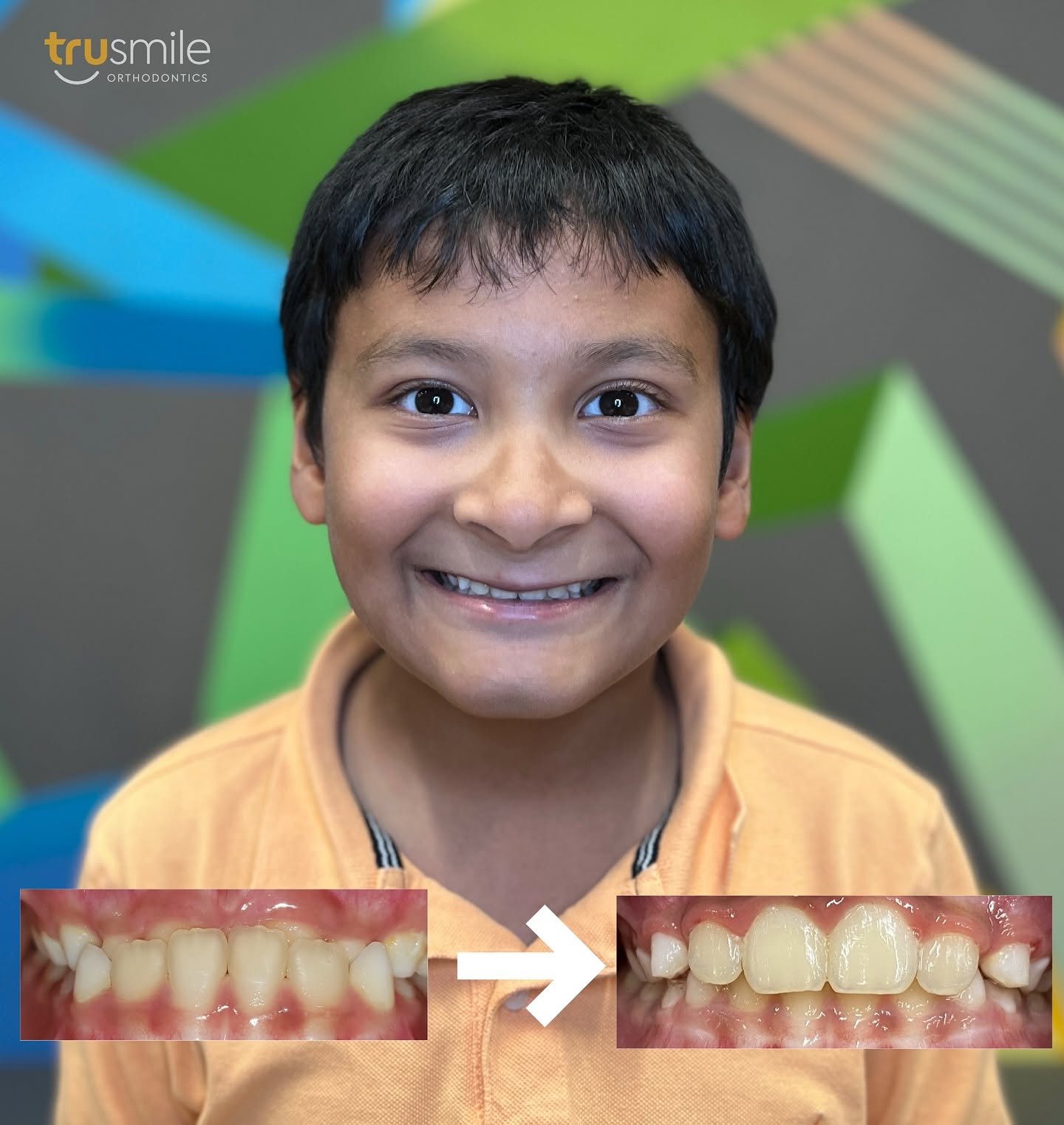
Many parents assume orthodontic treatment begins in the teenage years when all of the permanent teeth have erupted. While that is often true, some children benefit from orthodontic care much earlier. Early orthodontic treatment can help guide jaw development, create space for incoming teeth, and address bite issues before they become more difficult to correct.
At TruSmile Orthodontics, Dr. Zamani believes that creating a beautiful smile is about much more than straight teeth. Through the TruFit Technique, we evaluate the entire smile, including the shape of the teeth, lips, jaw, facial proportions, and overall symmetry. This personalized approach helps children achieve healthy, balanced smiles that look natural and complement their unique features.
With convenient locations in Culver City and Long Beach, CA, TruSmile Orthodontics provides expert early orthodontic treatment for growing children throughout Southern California.
What Is Early Orthodontic Treatment?
Early orthodontic treatment, sometimes called Phase One orthodontics, is treatment that begins while a child still has a mix of baby teeth and permanent teeth. The American Association of Orthodontists recommends that children have their first orthodontic evaluation around age 7.
At this age, the jaws are still growing, making it possible to guide development and address certain orthodontic concerns before they become more severe.
Early orthodontic treatment does not necessarily mean your child will get braces right away. In many cases, an orthodontic evaluation simply allows Dr. Zamani to monitor growth and determine the ideal time for treatment. For children who do need intervention, starting at the right age can improve both function and appearance.
Why Age 7 Is an Important Milestone
By age 7, enough permanent teeth have erupted to allow an orthodontist to identify developing issues with the bite, jaw alignment, and tooth positioning.
Some problems are easier to correct while a child is still growing. Waiting until all permanent teeth have erupted may limit treatment options and could result in longer or more complex care later.
An early orthodontic evaluation helps identify:
- Crowding
- Crossbites
- Underbites
- Overbites
- Jaw growth discrepancies
- Impacted teeth
- Excessive spacing
- Harmful oral habits
Even if treatment is not needed immediately, early monitoring allows Dr. Zamani to track your child’s development and recommend treatment at the most beneficial time.
Signs Your Child May Need Early Orthodontic Treatment
Parents are often the first to notice signs that something may not be developing properly. While some orthodontic concerns are obvious, others may only become apparent during a professional evaluation.
You may want to schedule an orthodontic consultation if your child experiences:
Early or Late Loss of Baby Teeth
Most children begin losing baby teeth around age 5 or 6. If teeth are lost significantly earlier or later than expected, it can affect the eruption of permanent teeth.
Crowded Teeth
Crowding often becomes visible around ages 7 or 8 when the front permanent teeth emerge. Early treatment may help create space and reduce the likelihood of extractions later.
Difficulty Chewing or Biting
Children who struggle while eating may have bite problems that affect how the teeth come together.
Mouth Breathing
Chronic mouth breathing can influence facial growth and dental development over time.
Thumb Sucking Beyond Age 5
Extended thumb sucking or prolonged pacifier use can contribute to bite issues and jaw development concerns.
Speech Difficulties
Certain orthodontic problems may affect speech patterns and pronunciation.
Protruding Teeth
Teeth that stick out significantly are more vulnerable to injury and may indicate bite discrepancies.
Shifting Jaw Position
If your child’s jaw shifts when opening or closing, a crossbite or jaw alignment issue may be present.
What Causes Orthodontic Problems in Children?
Orthodontic concerns can develop for a variety of reasons. Some are inherited, while others are influenced by habits or environmental factors.
Common causes include:
- Genetics
- Jaw growth differences
- Thumb sucking
- Prolonged pacifier use
- Early loss of baby teeth
- Delayed loss of baby teeth
- Dental trauma
- Airway and breathing issues
Because every child develops differently, a personalized orthodontic evaluation is the best way to determine the cause and appropriate treatment plan.
The Benefits of Early Orthodontic Treatment
Not every child requires Phase One treatment, but when it is recommended, the benefits can be substantial.
Guides Jaw Growth
One of the biggest advantages of early orthodontic treatment is the ability to influence jaw development while growth is still occurring.
Correcting jaw discrepancies at a younger age can improve facial balance and create a healthier bite.
Creates Space for Permanent Teeth
When there is not enough room for incoming permanent teeth, crowding can develop quickly.
Early intervention may help create the space needed for proper eruption, reducing the risk of severe crowding later.
Improves Bite Function
Problems such as underbites, crossbites, and severe overbites can impact chewing, speaking, and overall oral function.
Addressing these concerns early often leads to better long-term outcomes.
Reduces Risk of Tooth Damage
Protruding front teeth are more susceptible to injury during sports and everyday activities. Early correction may help protect these teeth.
May Reduce Future Treatment Complexity
While many children who receive Phase One treatment still need orthodontic care later, treatment is often simpler, shorter, and more predictable.
Understanding Two-Phase Orthodontic Treatment
Some children benefit from a two-phase treatment approach.
Phase One Treatment
Phase One typically occurs between ages 7 and 10 while baby teeth and permanent teeth are both present.
The goals may include:
- Correcting jaw growth issues
- Expanding narrow arches
- Creating space for erupting teeth
- Improving bite alignment
- Addressing harmful oral habits
Treatment may involve specialized orthodontic appliances rather than traditional braces.
Resting Phase
After Phase One treatment is complete, the child enters a monitoring period. During this time, the remaining permanent teeth continue to erupt naturally.
Regular checkups allow Dr. Zamani to evaluate growth and determine when the next phase should begin.
Phase Two Treatment
Phase Two typically begins once most or all permanent teeth have erupted.
This stage may involve braces, clear braces, or Invisalign treatment to position each tooth precisely and create an attractive, functional smile.
At TruSmile Orthodontics, Phase Two treatment is designed with the TruFit Technique in mind, ensuring every smile complements the patient’s facial features and natural proportions.
Invisalign First for Growing Smiles
Many parents are surprised to learn that Invisalign can be used for younger children.
Invisalign First is designed specifically for children who require Phase One treatment. These clear aligners can help guide dental development while providing a comfortable and convenient alternative to traditional appliances.
Benefits of Invisalign First include:
- Comfortable fit
- Removable aligners
- No food restrictions
- Easier brushing and flossing
- Effective treatment for crowding and spacing issues
- Support for developing dental arches
Because the aligners are removable, children can continue enjoying their favorite foods while maintaining excellent oral hygiene.
Other Appliances Used in Early Orthodontic Treatment
Depending on your child’s needs, Dr. Zamani may recommend specialized appliances designed to guide growth and improve jaw alignment.
Palatal Expanders
A palatal expander gradually widens the upper jaw to create space and improve bite relationships. This treatment is often used when the upper jaw is too narrow.
Growth Modification Appliances
These appliances help guide jaw development during growth and may be recommended for children with underbites or significant jaw discrepancies.
Functional Appliances
Devices such as Twin Block appliances encourage proper jaw positioning and support healthy facial development during childhood.
Each treatment plan at TruSmile Orthodontics is customized to the individual child, ensuring the most effective approach for long-term success.
Why Families Choose TruSmile Orthodontics
Early orthodontic treatment requires careful planning, experience, and an understanding of facial growth.
At TruSmile Orthodontics, Dr. Zamani combines advanced orthodontic techniques with a personalized approach that focuses on both aesthetics and function.
Using the TruFit Technique, treatment is designed to create harmony between the teeth, smile, and facial features. Rather than focusing solely on straightening teeth, Dr. Zamani considers facial symmetry, tooth proportions, lip support, and overall appearance.
Whether your child eventually benefits from Invisalign, clear braces, gold braces, or another treatment option, the goal remains the same: a healthy smile that looks natural and enhances confidence for years to come.
Schedule Your Child’s Orthodontic Evaluation
The best way to determine whether your child may benefit from early orthodontic treatment is through a professional orthodontic evaluation.
If your child is around age 7 or you have noticed signs of crowding, bite issues, or jaw development concerns, now is the perfect time to schedule a consultation.
Dr. Zamani and the team at TruSmile Orthodontics proudly serve families throughout Culver City, Long Beach, and surrounding Southern California communities. Early evaluation can provide peace of mind and help ensure your child’s smile develops properly from the start.
Frequently Asked Questions About Early Orthodontic Treatment
1. What age should my child see an orthodontist?
The American Association of Orthodontists recommends that children have their first orthodontic evaluation by age 7. This allows potential problems to be identified while the jaws are still developing.
2. Does every child need early orthodontic treatment?
No. Many children simply need monitoring until they are older. An early evaluation helps determine whether treatment is needed now or later.
3. Can early orthodontic treatment prevent braces in the future?
Some children may still need braces or Invisalign later. However, early treatment can reduce the severity of orthodontic issues and simplify future treatment.
4. Is Invisalign available for younger children?
Yes. Invisalign First is designed for children who require Phase One treatment and can address certain alignment and spacing concerns while permanent teeth are still erupting.
5. What are the benefits of treating orthodontic problems early?
Early orthodontic treatment can guide jaw growth, improve bite function, create space for permanent teeth, reduce the risk of tooth damage, and help prevent more complex orthodontic problems later.
