


Underbite Causes, Symptoms, and Treatment Options in Long Beach
Posted on July 23, 2026
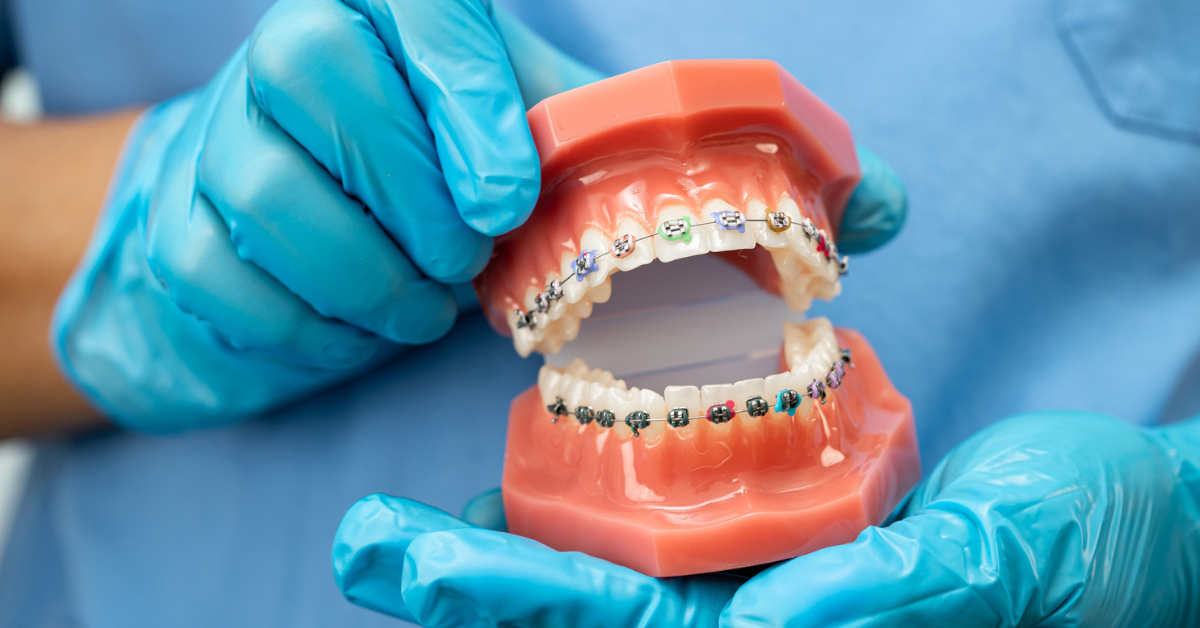
An underbite is a type of bite problem in which the lower front teeth sit in front of the upper front teeth when the mouth is closed. Some underbites are easy to notice, while others are subtle and may only become apparent during a dental or orthodontic examination.
Parents may first notice an underbite when their child’s permanent front teeth begin to appear. Adults may seek treatment because they have trouble biting into food, notice uneven tooth wear, experience jaw discomfort, or feel concerned about the appearance of their smile.
TruSmile Orthodontics provides personalized underbite evaluations and treatment planning for children, teens, and adults in Long Beach, California. The practice also welcomes patients from communities throughout Los Angeles County who want to understand their bite and explore appropriate treatment options.
What Is an Underbite?
An underbite occurs when the lower front teeth extend beyond the upper front teeth. Orthodontists may refer to this bite relationship as a Class III malocclusion. The condition can involve the position of the teeth, the relationship between the upper and lower jaws, or a combination of both. (Cleveland Clinic)
A dental underbite is primarily related to tooth position. For example, the lower teeth may lean forward or the upper teeth may tilt backward.
A skeletal underbite is connected to jaw structure or growth. The lower jaw may project farther forward, the upper jaw may not develop as far forward as expected, or both factors may be present.
This distinction matters because a tooth related underbite may respond differently to orthodontic treatment than a significant jaw related underbite. An orthodontist must examine the teeth, bite, facial proportions, and jaw relationship before recommending care.
What Causes an Underbite?
Many underbites are associated with inherited facial and jaw growth patterns. A child may inherit the size, shape, or growth direction of the jaws from family members. Differences in the growth rates of the upper and lower jaws are a common reason that an underbite develops. (American Association of Orthodontists)
Tooth eruption and positioning may also contribute. Upper front teeth can erupt behind the lower teeth, or the lower front teeth may lean too far forward. Missing, impacted, or unusually positioned teeth can affect how the bite fits together.
Certain prolonged childhood habits may influence dental development, but parents should not assume they caused the condition. Underbites often develop because of several factors, particularly inherited jaw growth.
A careful orthodontic evaluation can help determine whether the concern is mainly dental, skeletal, or a combination of the two.
Signs of an Underbite
The most recognizable sign of an underbite is that the lower front teeth sit ahead of the upper front teeth when the patient bites down. Other signs can vary according to the severity and cause of the condition.
Some patients experience difficulty biting into foods or chewing comfortably. Others notice that certain teeth make contact sooner than others. Uneven contact can place added pressure on particular teeth and may contribute to premature wear.
An underbite may also be associated with jaw discomfort, speech concerns, or difficulty keeping certain areas clean. More pronounced cases can affect facial balance by making the lower jaw or chin appear more prominent. Not every patient will experience these effects, and mild cases may cause few or no symptoms.
A dental examination alone cannot always reveal the full cause of the bite problem. An orthodontist may use photographs, digital scans, and X rays to evaluate the teeth and supporting jaw structures.
Does an Underbite Need Treatment?
Not every underbite requires the same response. Treatment recommendations depend on the patient’s age, oral health, symptoms, growth pattern, and the severity of the bite relationship.
An orthodontist may recommend treatment to improve biting and chewing function, reduce uneven tooth wear, support comfortable jaw movement, or make the teeth easier to clean. Treatment can also improve smile balance and help patients feel more comfortable with their appearance.
Some mild cases may simply be monitored, especially when a child is still growing and the bite is changing. Other cases benefit from timely treatment because the relationship between the teeth or jaws may become more difficult to manage later.
An orthodontic consultation at TruSmile Orthodontics allows patients and parents to learn whether treatment is recommended now, in the future, or only if the condition changes.
Underbite Treatment for Children
Timing can play an important role when treating an underbite in a growing child. Since the jaws are still developing, an orthodontist may have options for guiding growth that are not available after adulthood.
The American Association of Orthodontists recommends that children have their first orthodontic examination no later than age seven. This does not mean every seven year old needs braces. At this age, enough permanent teeth are usually present for an orthodontist to identify emerging problems with tooth eruption, jaw growth, and bite alignment.
Depending on the diagnosis, treatment for a growing child may involve an expander, limited braces, growth guidance appliances, or reverse pull headgear. In other cases, the best choice may be to monitor growth and begin treatment at a later stage.
Early treatment is not a guarantee that a child will avoid braces as a teenager. Some children receive treatment in two phases. The first phase addresses jaw development or a developing bite problem. The second phase aligns the permanent teeth once they have erupted.
The goal is to select the right treatment at the right time rather than starting treatment simply because an underbite is present.
Underbite Treatment for Teens
Teenagers often have most or all of their permanent teeth, but some jaw growth may still be occurring. This can create opportunities to address both tooth alignment and bite relationships.
Treatment may include traditional braces, clear braces, elastics, expanders, or other appliances selected for the patient’s needs. Clear aligners may also be considered in suitable cases.
Patient cooperation is especially important during teen orthodontic treatment. Elastics and removable appliances must be worn as directed. Aligners must remain in place for the recommended number of hours each day. Following instructions helps the teeth and bite move according to the treatment plan.
At TruSmile Orthodontics, each teen receives a customized plan based on dental development, facial growth, daily routine, and personal preferences.
Can Adults Fix an Underbite?
Adults can receive treatment for an underbite. Age alone does not prevent teeth from being moved when the teeth, gums, and supporting bone are healthy. Adult treatment must account for the fact that jaw growth is complete.
A mild dental underbite may be treated with braces or clear aligners. These appliances can reposition teeth and improve the way the upper and lower teeth meet.
A pronounced skeletal underbite may require a combined approach involving orthodontics and corrective jaw surgery. Orthodontic treatment aligns the teeth, while an oral and maxillofacial surgeon repositions the jaw. Corrective jaw surgery is generally reserved for skeletal problems that cannot be fully addressed through tooth movement alone.
Not every adult with an underbite needs surgery. An examination is needed to distinguish between a dental underbite and a skeletal jaw discrepancy.
Can Braces Fix an Underbite?
Braces can treat many underbites, especially when tooth position is a major part of the problem. Brackets and wires apply controlled pressure that gradually moves the teeth into planned positions.
An orthodontist may combine braces with elastics or another appliance to improve how the upper and lower teeth fit together. The specific approach depends on the patient’s age, bite, and jaw relationship.
For a skeletal underbite, braces may still be part of treatment, but braces alone might not correct the underlying jaw difference. This is why a complete diagnosis should come before choosing an appliance.
TruSmile Orthodontics offers traditional metal braces and aesthetic options for patients who want a less noticeable appearance.
Can Invisalign Treat an Underbite?
Invisalign and other clear aligner systems may treat selected underbite cases. Aligners can reposition teeth and may be combined with attachments or elastics to guide specific movements.
Clear aligners are removable, which makes eating, brushing, and flossing easier. They also have a subtle appearance that appeals to many teens and adults.
Clear aligners are not appropriate for every underbite. A significant skeletal discrepancy may require braces, growth guidance, surgery, or a combination of treatments. Candidacy depends on the location and severity of the problem, along with the patient’s age and ability to wear the aligners consistently.
A consultation at TruSmile Orthodontics can determine whether clear aligners are a suitable choice for your bite.
What Happens During an Underbite Consultation?
An underbite consultation begins with a review of the patient’s dental and health history. The orthodontist examines the teeth, bite, jaw movement, and facial proportions.
Digital photographs, scans, or X rays may be taken when needed. These records help reveal whether the underbite comes from tooth position, jaw structure, or both. They also support precise treatment planning.
After the evaluation, the orthodontist explains the findings in clear language. Patients and parents can discuss recommended appliances, treatment timing, expected length of care, and alternatives.
Some children may not need immediate treatment and can be placed in a growth monitoring program. Other patients may be ready to begin braces, clear aligners, or an early orthodontic appliance.
How Much Does Underbite Treatment Cost?
The cost of underbite treatment varies because treatment can range from monitoring or limited tooth movement to comprehensive orthodontics and coordinated surgical care.
Pricing may be affected by the severity of the bite, the patient’s age, the appliance selected, the expected treatment length, and whether one or two treatment phases are needed. Patients who require oral surgery will also receive separate information from the surgical provider.
TruSmile Orthodontics creates a customized treatment plan and cost estimate after evaluating the patient. The practice accepts most PPO plans, HMOs, and Denti Cal. Financial options include customizable financing, zero percent financing for qualifying patients, affordable monthly payments, and CareCredit.
The team reviews available insurance benefits and payment choices so families can understand the financial side of treatment before getting started.
Why Choose TruSmile Orthodontics?
Underbite treatment requires more than selecting braces or aligners. The orthodontist must understand why the bite developed and how the teeth and jaws relate to one another.
TruSmile Orthodontics provides customized care for patients at different ages and stages of dental development. Modern diagnostic tools support accurate planning, while clear explanations help patients understand each recommendation.
The practice offers treatment options for children, teens, and adults, along with flexible financial arrangements. Patients receive a plan based on their health, goals, lifestyle, and specific type of underbite.
Schedule an Underbite Consultation in Long Beach
An underbite may involve the teeth, the jaws, or both. The appropriate treatment depends on the patient’s age, growth, symptoms, and diagnosis.
Children may benefit from early evaluation while their jaws are developing. Teens may have several options for correcting tooth and bite alignment. Adults can also improve an underbite through braces, clear aligners, surgery, or a combined approach when appropriate.
Schedule an underbite consultation at TruSmile Orthodontics in Long Beach, California to learn which treatment options may be appropriate for you or your child. The team proudly serves patients from Long Beach and communities throughout Los Angeles County.
