


Crossbite Causes, Symptoms, and Treatment Options
Posted on August 14, 2026
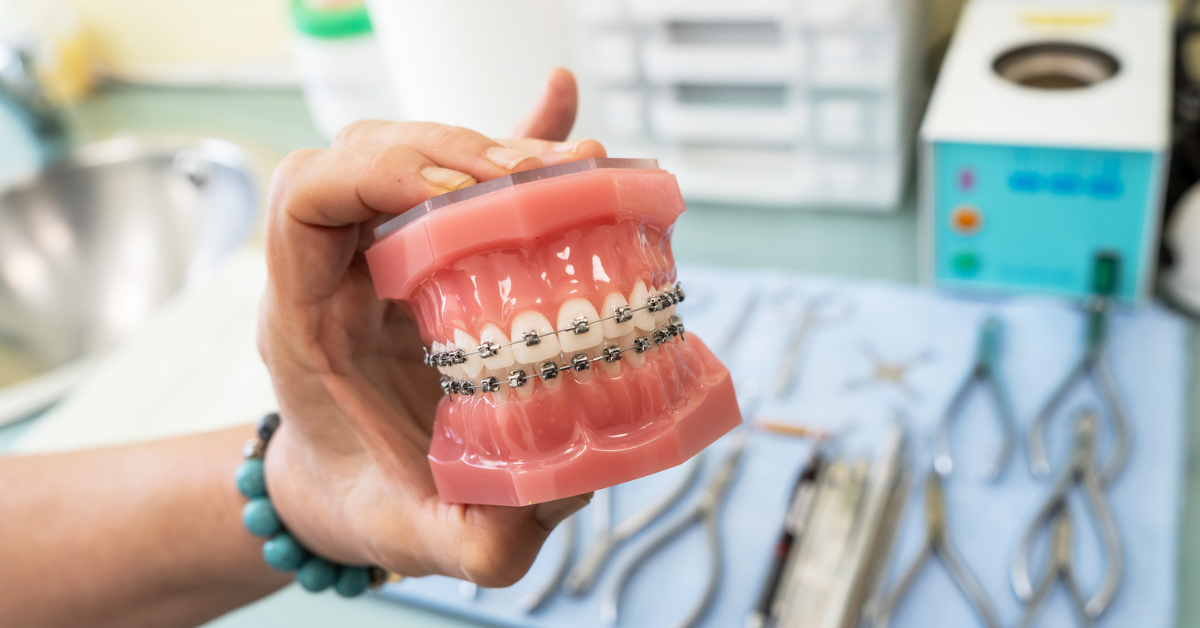
If your upper and lower teeth do not seem to fit together properly when you close your mouth, you may have a crossbite. Parents may also notice that some of their child’s upper teeth sit behind the lower teeth instead of slightly in front of them. While a crossbite can sometimes involve only one tooth, it can also affect several teeth or the relationship between the upper and lower jaws.
TruSmile Orthodontics provides personalized crossbite evaluations and orthodontic treatment in Long Beach, California. We welcome children, teens, and adults from Long Beach and communities throughout Los Angeles County who want to better understand their bite and explore their treatment options.
The right treatment depends on the type of crossbite, the patient’s age, tooth position, jaw development, and several other factors. An orthodontic evaluation is the best place to begin.
What Is a Crossbite?
In a properly aligned bite, the upper teeth generally sit slightly outside the lower teeth when you close your mouth. A crossbite occurs when one or more upper teeth sit inside the corresponding lower teeth.
A crossbite may involve a single tooth or a larger group of teeth. It can appear on one side of the mouth or both sides. Some crossbites primarily involve tooth position, while others are related to differences in the size or position of the jaws.
Understanding the source of the problem helps an orthodontist determine which treatment approach may be appropriate.
Anterior Crossbite vs Posterior Crossbite
Crossbites are often described according to where they occur in the mouth.
Anterior Crossbite
An anterior crossbite affects the front teeth. One or more upper front teeth sit behind the lower front teeth when the patient bites down.
An anterior crossbite can sometimes look similar to an underbite, but the two terms do not always describe the same orthodontic problem. An underbite can involve the overall relationship between the upper and lower jaws. An anterior crossbite may simply involve the position of one or more front teeth.
An orthodontic examination can determine whether the concern comes from tooth position, jaw development, or both.
Posterior Crossbite
A posterior crossbite involves the back teeth. Instead of the upper back teeth sitting slightly outside the lower back teeth, they sit inside them.
A posterior crossbite can affect one side or both sides of the mouth. In growing children, it may sometimes be associated with a narrow upper jaw.
Because different types of crossbites can require different approaches, identifying the type is an important part of treatment planning.
What Causes a Crossbite?
There is no single cause of every crossbite. Genetics can play a role, particularly when the size or shape of the jaws contributes to the bite problem.
Differences in jaw growth may cause the upper and lower teeth to meet incorrectly. A narrow upper jaw, for example, can contribute to a posterior crossbite.
Tooth development can also play a role. A permanent tooth may erupt in an unusual position, or a baby tooth may remain in place longer than expected and influence how a permanent tooth emerges. Crowding, missing teeth, and differences in tooth position may also contribute.
Certain prolonged childhood oral habits can affect dental and jaw development in some patients. The cause is often a combination of factors, which is why parents should not assume that a particular habit created their child’s crossbite.
Signs You or Your Child May Have a Crossbite
The most noticeable sign is one or more upper teeth sitting inside the lower teeth when the mouth is closed. Other signs can be less obvious.
A patient may notice that the teeth do not meet evenly or that biting feels different on one side. Some people shift their jaw slightly when closing their mouth to find a more comfortable biting position.
Depending on the type and severity of the crossbite, patients may experience difficulty chewing, uneven tooth wear, gum irritation around affected teeth, or jaw discomfort. Certain growing patients may also develop facial asymmetry associated with the way the jaw shifts.
These symptoms can have causes other than a crossbite. If you notice a change in your bite or your child’s bite, an orthodontic evaluation can provide a clearer answer.
What Can Happen if a Crossbite Is Not Treated?
The effects of an untreated crossbite vary significantly between patients. A minor crossbite affecting one tooth is different from a larger bite problem involving jaw development.
In some cases, an untreated crossbite may place uneven pressure on particular teeth. Over time, this can contribute to unusual tooth wear or gum problems around the affected teeth.
A crossbite may also make chewing less comfortable. Children with certain crossbites may shift their jaw to one side when biting, which can influence how the jaws develop as they grow.
This does not mean every crossbite will cause serious problems. The goal of an orthodontic evaluation is to determine the type of crossbite, assess its potential effects, and decide whether treatment or monitoring is appropriate.
When Should a Child Be Evaluated for a Crossbite?
Parents do not have to wait until all permanent teeth have appeared before asking an orthodontist about a child’s bite.
Early orthodontic evaluation allows the orthodontist to examine tooth eruption and jaw development while a child is still growing. This can be particularly useful for certain crossbites because growth may influence treatment choices.
An early evaluation does not automatically mean a young child will need braces.
At TruSmile Orthodontics, the orthodontist may determine that monitoring is the most appropriate approach. In other situations, an expander, limited braces, or another orthodontic appliance may be recommended.
The goal is to identify the appropriate timing for each individual child.
How Is a Crossbite Treated?
Crossbite treatment depends on what is causing the problem. Treatment for a single tooth that has erupted in the wrong position can look very different from treatment for a narrow upper jaw.
For some growing patients, a palatal expander may be recommended to widen the upper arch. This can create a better relationship between the upper and lower teeth.
Braces can be used to move individual teeth and correct many dental crossbites. Elastics or other orthodontic appliances may also be incorporated into treatment when appropriate.
Clear aligners can be another option for selected patients. Aligners gradually reposition teeth according to a customized treatment plan.
Patients with significant skeletal differences may require a different approach. In some adult cases, orthodontic treatment may be coordinated with corrective jaw surgery. Surgery is not necessary for most straightforward dental crossbites.
Can Braces Fix a Crossbite?
Braces can correct many types of crossbites.
Brackets and wires apply controlled forces to gradually move teeth into improved positions. An orthodontist can use these movements to bring affected upper teeth into a healthier relationship with the lower teeth.
Depending on the crossbite, braces may be combined with elastics, expansion, or another orthodontic appliance.
Treatment planning is based on more than the appearance of the teeth. TruSmile Orthodontics evaluates the entire bite to determine how individual tooth movements will affect the way the upper and lower teeth fit together.
Can Invisalign Fix a Crossbite?
Invisalign may be able to correct certain crossbites.
Clear aligners are customized to gradually move teeth into planned positions. Attachments or elastics may sometimes be incorporated to help produce particular movements.
One advantage of Invisalign is that the aligners are removable. Patients can take them out while eating and while brushing and flossing. Their clear appearance also makes them appealing to many teens and adults.
Invisalign is not the right solution for every crossbite. Cases involving substantial jaw expansion or skeletal differences may require other forms of treatment.
An orthodontic consultation can determine whether Invisalign is appropriate for your specific bite.
Can Adults Fix a Crossbite?
Adults can receive crossbite treatment even if they have lived with the condition for many years.
Since adult jaw growth is complete, treatment options differ somewhat from those available for growing children. Many tooth related crossbites can still be treated using braces or clear aligners.
The complexity of treatment depends on the cause. If an adult has a significant skeletal difference between the jaws, orthodontic treatment combined with jaw surgery may sometimes be considered.
Adults should not assume that surgery is automatically required. Many crossbites involve tooth positioning and can be addressed orthodontically.
A personalized evaluation at TruSmile Orthodontics can help determine which options make sense for your smile.
How Long Does Treatment Take?
There is no universal timeline for crossbite treatment.
Treatment length depends on the number of teeth involved, the patient’s age, jaw development, and whether the problem is primarily dental or skeletal. The type of appliance used can also affect the treatment timeline.
A relatively simple crossbite involving one or two teeth may require a different amount of treatment than a crossbite that is part of a larger orthodontic concern involving crowding or bite alignment.
Patient cooperation also matters. Wearing elastics, aligners, or removable appliances as instructed helps treatment progress according to plan.
After examining your bite, the TruSmile Orthodontics team can provide a more personalized estimate.
How Much Does Crossbite Treatment Cost?
The cost of correcting a crossbite varies because there are several possible treatment approaches.
Factors that can influence cost include the complexity of the crossbite, treatment length, type of appliance, and whether other orthodontic concerns need to be corrected at the same time.
TruSmile Orthodontics provides customized treatment and financial information after evaluating each patient’s needs.
To help make orthodontic care accessible to families, TruSmile Orthodontics accepts most PPOs, HMOs, and Denti Cal. Customizable financing options are available, including zero percent financing for qualifying patients and affordable monthly payment options. CareCredit is also accepted.
The team can discuss available insurance benefits and financing during the consultation so patients understand their options before beginning treatment.
Crossbite Treatment in Long Beach, California
TruSmile Orthodontics provides orthodontic care for families throughout Long Beach, California and surrounding Los Angeles County communities.
Patients may travel from neighborhoods and nearby communities such as Bixby Knolls, Belmont Shore, East Long Beach, Signal Hill, Lakewood, and Carson.
For local families, orthodontic appointments are often part of an already busy schedule involving work, school, sports, and other activities. Long Beach is home to schools such as Long Beach Polytechnic High School and Wilson Classical High School, along with numerous elementary and middle schools throughout the city.
Families may also be familiar with community destinations such as El Dorado Park and Heartwell Park. Major routes throughout the area include Pacific Coast Highway, Long Beach Boulevard, Lakewood Boulevard, the 405 Freeway, and the 710 Freeway.
Being located in Long Beach allows TruSmile Orthodontics to serve patients from throughout the city as well as surrounding areas of Los Angeles County.
What to Expect at Your Consultation
Your consultation starts with understanding your individual smile.
The orthodontist will examine how your upper and lower teeth fit together and look for signs of a crossbite or other alignment concerns. Your jaw relationship and facial development may also be evaluated.
Digital photographs, scans, or X rays may be recommended to provide additional information about the teeth and supporting structures.
Once the evaluation is complete, the orthodontist can explain what type of crossbite is present and discuss possible treatment options. You will also have an opportunity to ask about treatment length, braces, Invisalign, costs, insurance, and financing.
For parents, the recommendation may simply be to monitor a child’s development and return for another evaluation later. Starting orthodontic care at the right time is more important than starting as early as possible.
Why Choose TruSmile Orthodontics for Crossbite Treatment?
Crossbite treatment should begin with understanding why the teeth do not fit together properly.
At TruSmile Orthodontics, treatment plans are customized around each patient’s teeth, bite, age, development, and goals. Children, teens, and adults can explore options ranging from braces and clear aligners to other orthodontic appliances when appropriate.
Modern diagnostic technology helps the orthodontic team evaluate the bite and plan tooth movement with precision. Patients and parents also receive clear explanations so they can understand their choices before beginning care.
Flexible financing and insurance options help make treatment easier to incorporate into a family’s budget.
Schedule a Crossbite Consultation in Long Beach
A crossbite can affect one tooth, several teeth, or the relationship between the upper and lower jaws. Some cases are relatively straightforward, while others involve jaw growth or additional orthodontic concerns.
The first step is finding out exactly what is happening with your bite.
If you or your child may have a crossbite, schedule a consultation with TruSmile Orthodontics in Long Beach, California. Our team can evaluate the bite, explain available treatment options, and create a personalized plan based on your individual needs.
TruSmile Orthodontics proudly serves children, teens, adults, and families from Long Beach and communities throughout Los Angeles County.
