


iTero Dental Scans – How Digital Scanning Works in Orthodontics
Posted on October 20, 2026
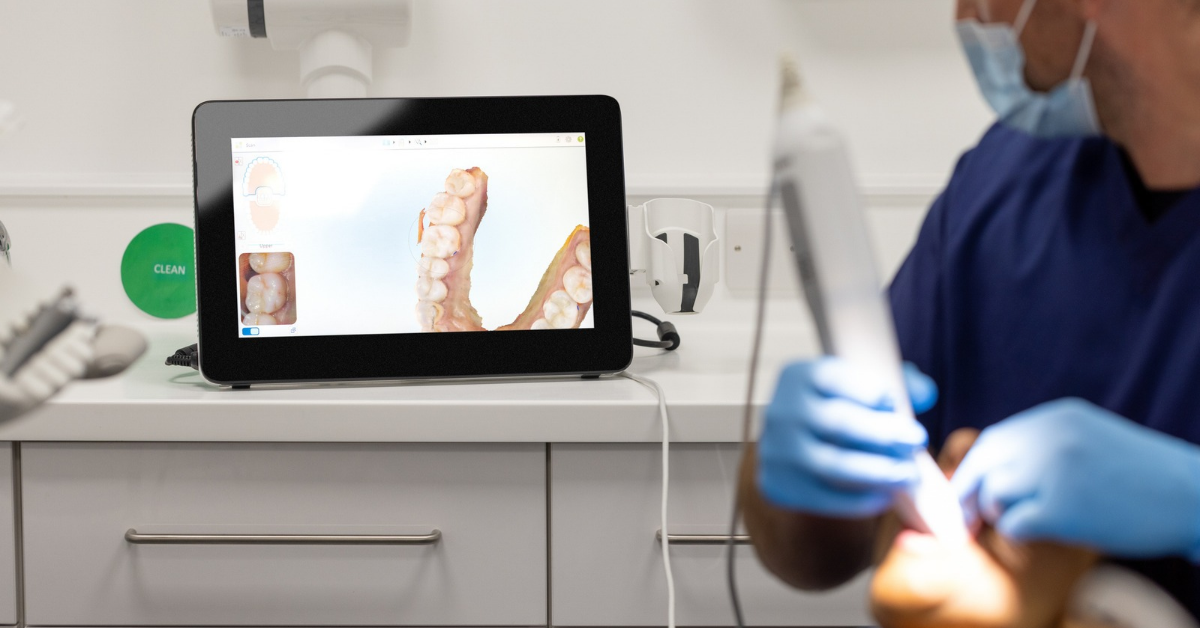
Orthodontic care has changed significantly with the introduction of digital technology. One example is the iTero digital scanner, which allows orthodontic teams to create a detailed three dimensional model of a patient’s teeth without relying solely on traditional impression material.
Patients searching for information about dental scans iTero technology are often curious about how the scanner works, whether it is comfortable, and how it can support braces or Invisalign treatment.
At TruSmile Orthodontics, patients in Long Beach and Culver City, California can receive personalized orthodontic care supported by modern diagnostic and treatment planning technology. Digital dental scans can help orthodontists better understand tooth position, explain treatment options, and create a more interactive patient experience.
For families and adults throughout Los Angeles County, understanding how digital scanning works can make the orthodontic process feel much more familiar before treatment begins.
What Is an iTero Dental Scan?
An iTero scan is a type of digital intraoral scan. Instead of using a tray filled with impression material to create a physical mold of the teeth, an intraoral scanner captures detailed information directly from inside the mouth.
A small handheld scanning wand is moved carefully around the teeth. As the scanner captures images, specialized software combines the information into a three dimensional digital model.
The resulting model can display the upper teeth, lower teeth, tooth shapes, alignment, and the way the bite fits together.
Patients can often view the model on a screen, which makes it easier to understand issues such as crowding, spacing, rotated teeth, or bite concerns.
The scan itself does not replace the orthodontist’s clinical judgment. Instead, it provides another source of information that can support examination, diagnosis, treatment planning, and patient education.
How Does an iTero Digital Scanner Work?
The scanning process is designed to be straightforward.
The patient sits comfortably in the treatment chair while a member of the orthodontic team moves the scanner around the upper and lower teeth. The device captures detailed digital images as it moves through the mouth.
The software then combines these images into a three dimensional representation of the smile.
The orthodontic team may also record how the upper and lower teeth meet when the patient bites together. This can help the orthodontist examine the overall bite relationship.
Once the scan is complete, the digital model can be reviewed from multiple angles.
Unlike a traditional impression, there is usually no need to wait for material to set inside a tray. The digital information is also available for use in compatible orthodontic treatment planning systems.
The exact scanning experience and time can vary depending on the patient’s needs, the area being scanned, and the specific equipment being used.
iTero Dental Scans vs Traditional Impressions
Many adults remember having dental impressions taken with trays filled with soft material. The tray is placed over the teeth and remains in the mouth while the material sets.
Traditional impressions have been used successfully in dentistry and orthodontics for many years, but digital scanning offers another option for many modern orthodontic workflows.
With digital scanning, the orthodontic team uses a handheld scanner instead of filling an impression tray with material.
Potential benefits include:
- A digital three dimensional model of the teeth
- No impression material for compatible treatments
- Easy viewing of tooth position on a screen
- Digital storage of orthodontic records
- Convenient transfer into compatible treatment planning systems
- An interactive way to discuss orthodontic concerns
Some patients also prefer digital scans because they dislike the feeling of impression material in the mouth or have a sensitive gag reflex.
Traditional impressions may still be appropriate in certain situations. The orthodontic team chooses the record method based on the patient’s treatment needs.
Do iTero Dental Scans Hurt?
One of the most common questions about digital dental scans is whether the procedure is painful.
An intraoral scan is noninvasive. There are no injections or drilling involved.
The scanning wand is gently moved around the teeth to capture the necessary images. Patients will need to keep their mouth open while the scan is completed, and some areas toward the back of the mouth may feel less comfortable than others.
The orthodontic team can usually pause as needed if the patient needs a short break.
For children, teens, and adults who feel nervous about orthodontic records, knowing what to expect can make the process easier.
Do iTero Scans Use Radiation?
A standard optical iTero dental scan is not the same thing as a dental X ray.
Digital intraoral scanners create an image of the visible surfaces of the teeth and surrounding structures using optical technology. They do not produce conventional dental X ray images.
This distinction is important because the two technologies provide different types of information.
An iTero scan is useful for creating a detailed digital model of tooth shape and alignment. Dental X rays can show structures beneath the visible surface, including tooth roots, developing permanent teeth, impacted teeth, and bone.
An orthodontist may use digital scans and X rays as different parts of the same diagnostic process when appropriate.
What Is the Difference Between an iTero Scan and an X Ray?
Patients sometimes assume a digital scan can replace every other type of orthodontic imaging. That is not the case.
An iTero scan primarily captures the surfaces and shapes of the teeth that can be scanned inside the mouth. It can provide a detailed three dimensional model of the smile.
A dental X ray provides information about structures that cannot be seen directly. For example, X rays may help an orthodontist evaluate tooth roots, unerupted teeth, impacted teeth, and supporting bone.
Both can play valuable but different roles.
Your orthodontist will determine which records are appropriate based on your teeth, bite, age, dental development, and treatment goals.
How iTero Scans Can Support Braces Treatment
Digital scans are not only useful for clear aligners. They can also support orthodontic evaluation and treatment planning for patients considering braces.
A digital model may help the orthodontist evaluate areas such as:
- Crowded teeth
- Gaps between teeth
- Rotated teeth
- Tooth shape and position
- Upper and lower dental arches
- Bite relationships
Being able to rotate and enlarge a digital model can also make treatment conversations easier.
For example, a patient may know that their front teeth look crowded but may not understand what is happening farther back in the mouth. Viewing a three dimensional model can make the overall alignment easier to see.
The orthodontist combines this information with the clinical examination and other appropriate records before creating a treatment plan.
How iTero Scans Work With Invisalign
Digital scanning is especially well known for its connection with Invisalign treatment.
An iTero scan can create a digital impression that can be used in compatible Invisalign treatment planning workflows. Instead of creating a physical mold that must be converted into another format, digital information can be incorporated into the planning process.
The scan can help record:
- Current tooth positions
- Areas of crowding
- Spacing
- Bite relationships
- Dental arch shape
The orthodontist then uses clinical expertise to plan how the teeth should move over the course of treatment.
Technology can support this process, but it does not make treatment decisions independently. The orthodontist remains responsible for evaluating the patient, developing the treatment plan, and monitoring progress.
Can You Preview Your Future Smile?
One feature patients often find interesting is the possibility of viewing a simulation of how orthodontic treatment could affect their smile.
Certain iTero systems can work with tools that create a visualization of a potential Invisalign treatment outcome.
These simulations can be useful for patient education because they help illustrate how teeth may change position during treatment.
It is important to understand that a smile simulation is a preview, not a promise of the exact final result.
Actual orthodontic results depend on many factors, including the patient’s anatomy, treatment plan, tooth movement, cooperation, and biological response.
Can Children and Teens Have Digital Dental Scans?
Digital intraoral scanning can be used for orthodontic patients of different ages when appropriate.
For children and teens, digital scans may help record tooth position, crowding, spacing, and bite relationships.
These records can be useful when planning braces, clear aligners, or other orthodontic treatment.
An early orthodontic evaluation does not automatically mean a child will need a digital scan or immediate treatment. The orthodontist determines which records are useful based on the child’s stage of dental development.
For younger patients who do need impressions, digital scanning may also provide an alternative to conventional impression material in compatible situations.
Digital Dental Scans in Long Beach, California
TruSmile Orthodontics serves children, teens, adults, and families in Long Beach, California and surrounding areas of Los Angeles County.
Patients may visit the Long Beach office from communities such as Bixby Knolls, East Long Beach, Lakewood, Signal Hill, Carson, and other nearby neighborhoods.
Long Beach families often balance orthodontic appointments with school, sports, work, and daily activities. Familiar routes throughout the area include Long Beach Boulevard, Lakewood Boulevard, the 405 Freeway, and the 710 Freeway.
Modern digital tools can help make orthodontic visits more interactive by allowing patients to see and better understand their teeth while discussing potential treatment options.
Whether you are considering braces or Invisalign, a consultation at TruSmile Orthodontics can help determine which records and treatment approach fit your needs.
Digital Dental Scans in Culver City, California
TruSmile Orthodontics also serves patients at its Culver City, California location.
Culver City is conveniently positioned within Los Angeles County and serves families and adults from nearby communities such as Palms, Mar Vista, West Los Angeles, Playa Vista, Marina del Rey, and Westchester.
Major roads in and around the area include Sepulveda Boulevard, Venice Boulevard, Washington Boulevard, Culver Boulevard, and the 405 Freeway.
For busy families and working adults, having access to modern orthodontic technology close to home can make treatment easier to incorporate into everyday schedules.
Patients interested in Invisalign, braces, or other orthodontic options can receive a personalized evaluation to better understand their smile and available treatment choices.
What to Expect at Your TruSmile Orthodontic Consultation
An orthodontic consultation is about much more than choosing between braces and clear aligners.
The TruSmile team begins by learning about your concerns, goals, dental history, and overall health.
Your orthodontist will examine your teeth and bite and determine which diagnostic records are appropriate. Digital scans, photographs, or X rays may be recommended depending on your individual situation.
Once the necessary information has been reviewed, your orthodontist can discuss available treatment options.
This may include traditional braces, clear braces, Invisalign, or another orthodontic approach.
You will also have an opportunity to ask questions about treatment length, appointments, insurance, costs, and financing.
Making Orthodontic Treatment More Affordable
Technology is only one part of the orthodontic experience. Affordability also matters for families throughout California.
TruSmile Orthodontics accepts most PPO plans, HMOs, and Denti Cal. Flexible financial arrangements are available to help patients fit orthodontic treatment into their budgets.
Options may include customizable financing, zero percent financing for qualifying patients, affordable monthly payment plans, and CareCredit.
Treatment costs vary because every patient’s orthodontic needs are different. During your consultation, the TruSmile team can explain your treatment plan and review financial options with you.
Why Choose TruSmile Orthodontics?
TruSmile Orthodontics provides personalized orthodontic treatment for patients in Long Beach and Culver City, California.
The practice combines modern technology with individualized care to help patients better understand their teeth, bite, and treatment options.
Children, teens, and adults can explore braces and Invisalign treatment in an environment focused on clear communication and personalized planning.
With two locations serving communities throughout Los Angeles County, TruSmile offers convenient access to orthodontic care for families across Southern California.
Schedule an Orthodontic Consultation Today
iTero dental scans can provide a detailed three dimensional view of the teeth and help support modern orthodontic treatment planning. Digital scanning can also make it easier for patients to see their alignment, understand their bite, and participate in conversations about braces or Invisalign.
While digital technology provides valuable information, successful orthodontic care still depends on thoughtful diagnosis and a personalized treatment plan created by an orthodontist.
If you are considering braces, Invisalign, or another orthodontic treatment, schedule a consultation with TruSmile Orthodontics in Long Beach or Culver City, California.
Our team can evaluate your smile, discuss your treatment goals, and explain how digital dental scanning may fit into your personalized orthodontic experience. TruSmile Orthodontics proudly serves patients throughout Long Beach, Culver City, Los Angeles County, and surrounding California communities.
